Woodspriestess: Ovulation

20130707-211911.jpg

A woman in one of my Facebook groups shared this picture from her garden. This Goddess tomato even has a perfect belly button! 🙂

Ovulation
egg coming
ripe
fertile
creative
waiting
wanting.

Round with possibilities
plans, ideas, and determination
permeable to enlivened truth.

Shared wisdom
from the ages
womb tug
from the moon

Heart beating
in Goddess time

An egg rests
in dark safety.
A woman waits
filled
with curled up potential
and the ability to dance
a new way of being.

Pain, hope, promise, joy
listen to your body
all will be well.

6/14/13

20130707-211851.jpg

Categories: blessings, poems, prayers, womanspirit, woodspriestess | Leave a comment

Womanrunes: The Crescent Moon

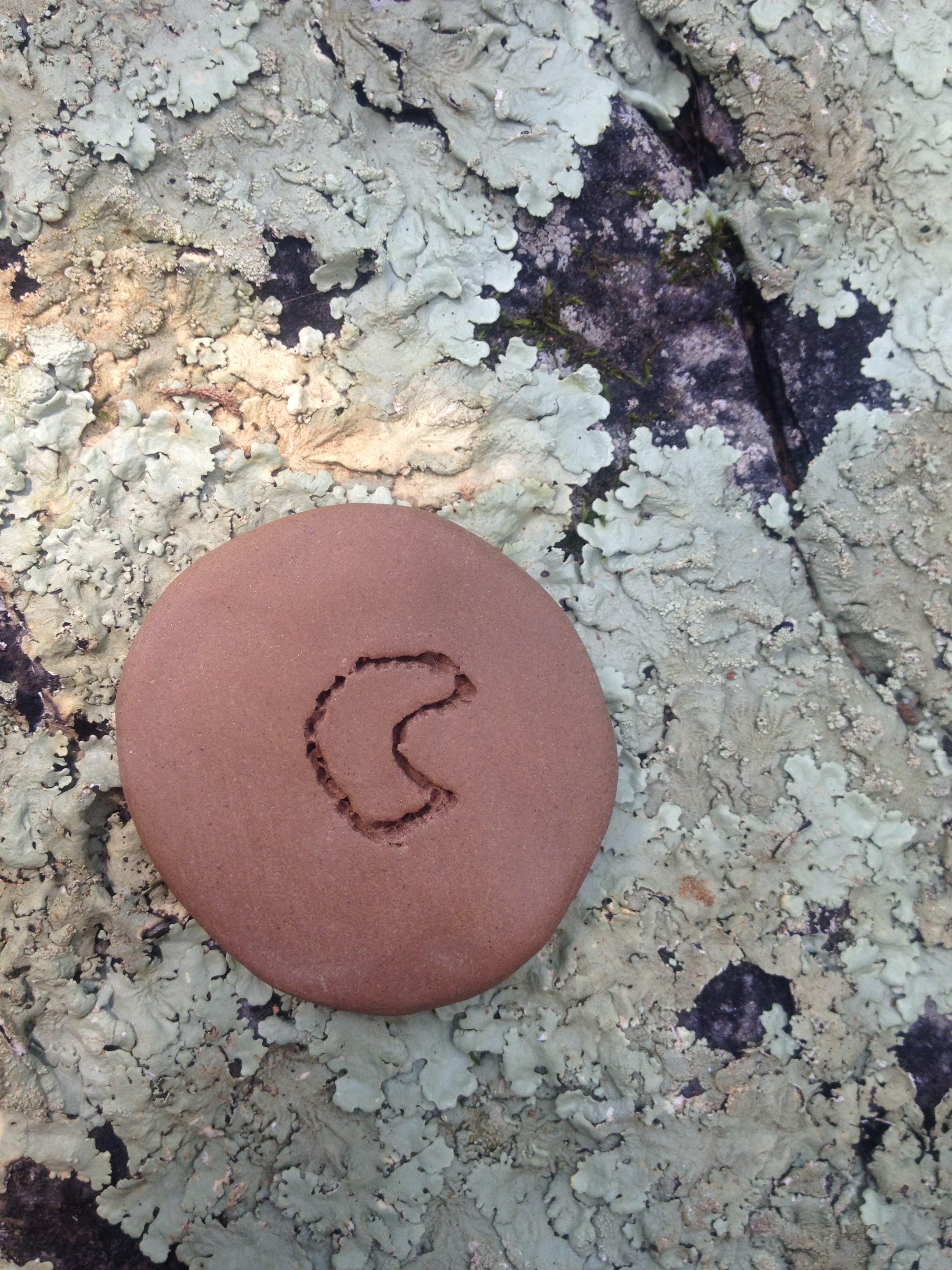
Womanrunes: The Crescent Moon. Rune of Divination. Ritual. Door to Unconscious. July 2013 042

The Moon Mother calls you. She dances around the edges of your conscious awareness, singing your name, tugging at your spirit. Listen to the Dreamtime. What is knocking at the doorway of your soul? What calls to you in the night?

Are you dreaming?

Have you given up on dreams?

Are you listening?

Have you stopped trying?

Do you remember your dreams? Do you heed their messages? The Goddess speaks in the language of dreamtime, from deep, dark places and in fuzzy, sleepy awareness. Tune in, look inside, wait for wisdom. It wants to enter, it’s on its way. Carried by the moon, drifting in starlight, singing to you, drawing you near. Moon Mother, Dream Mother. Winds of change and destiny are swirling. Pay attention, take heed, become conscious. In seemingly coincidental connections and links your unconscious, your deep self, is speaking to you. She knows many things. Divination is not about predicting the future, but is about understanding your path and heeding the guidance laid out before you in many bright, sparkling, starry, and shadowy ways. She speaks in dreams, speaks in nudges, speaks in signs, signals, synchronicities. This is the language of symbol, myth, pattern, and magic.

This rune also reminds us of the power of ritual. Of gathering together with intention and purpose and power, of raising energy, of sealing bonds, of linking arms in sisterhood and circle and solidarity. This rune calls upon you to create your own magic, to define your own truths, and to stir your own rituals into communal meaning.

You can do it. You already know how.

Listen to what is walking here
tiptoeing through your dreams
knocking at the door of your unconscious mind
whispering from shadows
calling from the full moon
twinkling in the stars
carried by the night wind woman
rising at sunset
peeking out
in tentative
yet persistent purpose.

Listen to the call
trust the talkative silence…

(7/4/2013)

Update: this project evolved into a real book!
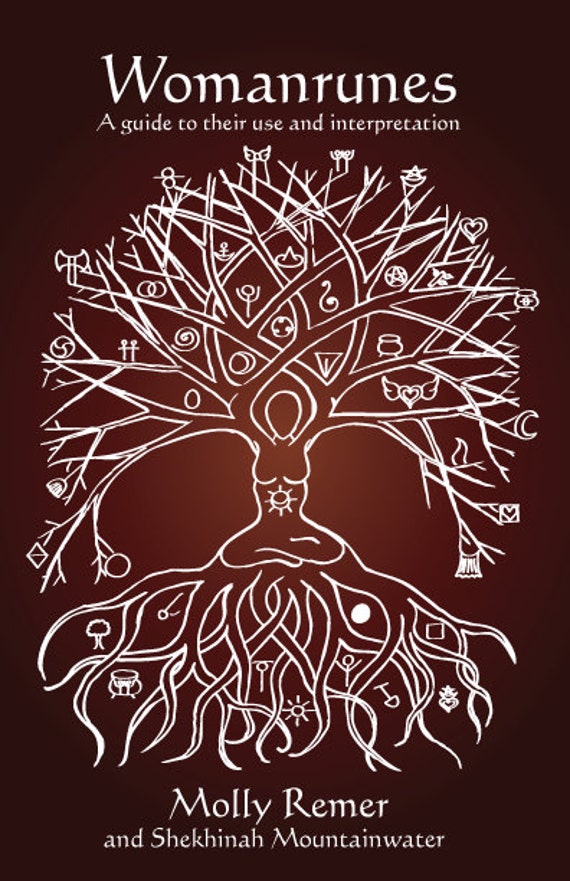
The first post in my Womanrunes series is available here and all others here. The runes and the names of them come from Shekhinah Mountainwater’s Womanrunes system for which there are no written interpretations available other than the name and one word meanings. I’m engaging in a semi-daily practice of drawing one and then going down to the woods with it to see what it “tells” me–basically, creating what I wish I had, which is a more developed interpretation of the meaning of each womanrunestone.

Categories: Womanrunes, womanspirit | 3 Comments

Collaborative Orisha Poem

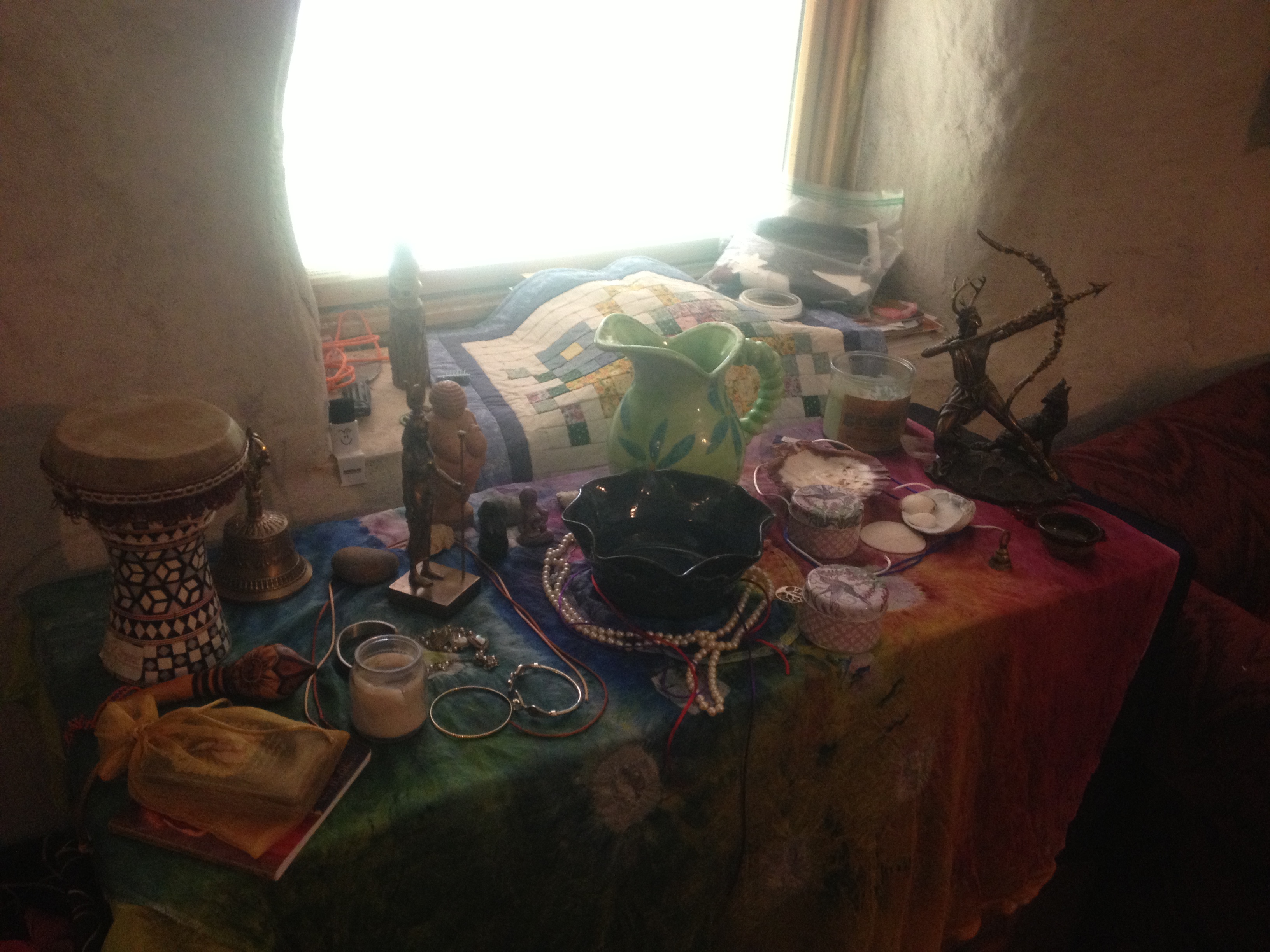
Orisha altar. A little cluttered! (there are three different areas, one for each orisha)

Orisha altar. A little cluttered! (there are three different areas, one for each orisha)

Spirit of change
destiny sweeping
good vibrations
respect
and thunder.

Float freely
release
and encourage.

Momentum building
crescendo

Water wisdom.

At our last session of Rise Up, we were talking about the Yoruban Orishas, specifically Yemaya, Oshun, and Oya. After dancing together to honor the orishas, we looked into a bowl of water and each spoke aloud what had come to us following the dance. I wrote down what we said and the result was just what was supposed to happen: we’d created a collaborative poem about the orishas. I thought it was a neat experience 🙂 We did a double session of Rise Up this last time and I think it was too much to try to do at once since we kind of lost our steam. Next week, I had planned to do our next Rise Up class followed by our summer retreat, but now I think we should do only the retreat and keep Rise Up on a different day. It took a lot out of me to try to do two classes back to back and I could tell the rest of the group wasn’t really “feeling it” either. I have a tendency to always want to multitask and to double-up to be efficient, but sometimes there is a price to be paid for efficiency and in this case it was a lack of “steam” or connection during our time together. The dancing was fun and invigorating, but I felt like during other portions of the class people started to get bored or otherwise unfocused. I also left out some details about what to bring for our collaborative project and so that was confusing for people too and I kept losing my place in terms of what to do next, because the two classes blended together in my head and I couldn’t remember what went with what. I’d also had a bad morning with my kids (described on my other blog) and that dramatically impacted my ability to be present with our circle. In general, I felt like I basically failed with this particular session, though I try to remember that success or failure of a group endeavor does not rest with only one person, there is a collective responsibility to the usness of a group and a group is a living system with a personality and life of its own. At least our group poem worked pretty well! 🙂

Categories: blessings, community, friends, invocations, poems, priestess, spirituality, womanspirit, women's circle | Leave a comment

Thursday Thealogy: Matriarchal Myth or a New Story?

Some Pagans and spiritual feminists have chosen to use the myth of matriarchal prehistory as an inspirational sacred story, rather than understanding it as pure history. In this way, the story has supported activists in working for a more peaceful and more egalitarian society. By imagining a just society that might once have existed, feminist Pagans and Goddess-worshippers galvanize themselves to try to create such a society in the present day. Other Pagans, however, have been critical of the matriarchal myth. Greer, for instance, notes that the myth of matriarchal prehistory has many similarities to the story of the Garden of Eden. In the story from Genesis, humankind falls from grace and is cast out of utopia because of Eve’s disobedience. In Christianity, Eve’s “sin” has sometimes been blamed on women in general, and the Genesis story has been used to discriminate against women. The matriarchal myth reverses this sexism by envisioning a female-led utopia that was destroyed by “patriarchal invaders”— in other words, by men. Although both the matriarchal myth and the myth of the Garden of Eden can be interpreted in a non-sexist fashion, both narratives have been used to teach gender-based prejudice.

–Christine Hoff Kraemer,  Seeking the Mystery: An Introduction to Pagan Theologies

I remain firmly convinced of the power of story. Story shapes our world. And, reality is socially constructed in an active process of storying and re-storying.

I’ve share these quotes in my classes and they feel relevant again today:

“The universe of made of stories, not of atoms.” –Muriel Rukeyser

“Power consists to a large extent in deciding what stories will be told.” –Carolyn Heilbrun

While the matriarchal myth has been critiqued and attacked from an anthropological and sociological perspective, I think it has important value—it doesn’t have to be true or verifiable to have a potent impact on society. The very fact that people feel that the matriarchal story is a myth that needs to be “debunked” to me is proof of the mythic power of our old, patriarchal story on current culture. Earlier this year I finished reading Reid-Bown’s book Goddess as Nature and he says this: “What is significant, however, is that the matriarchy thesis has considerable mythopoetic value for the Goddess movement: it affirms that the world was not always distorted by patriarchy, it contributes moral meaning to the state of the world today, and it aids in an imaginative revisioning of a better goddess-centred future” (p. 18). The power of the matriarchal story—myth or fact—is in the assertion that the world CAN be different. Patriarchy and war are not the “just way its always been,” or a “more evolved” society, or the only possibility for the future. The matriarchal myth opens up the door for a new FUTURE story, not just a revisionist look at the past.

Reid-Bowen goes on to explain: “Myths may be understood as narratives which enshrine a number of religious and cultural meanings within a framework where exceptional and supernatural events may take place; they are imaginative construals or presentations, in story form, relating to such issues as the origins and nature of the universe and the meaning of life; they possess a certain explanatory power; they reflect aspects of a particular world of meaning; and in most cases they provide an interpretive lens by which to understand the world. Difficult questions admittedly arise when myth and history are conflated or confused, and when one attempts to assess the epistemic status of a myth. However, it is important to emphasize that myths are, first and foremost, imaginative stories that carry with them a cluster of meanings relating to the way significant things originally were, or are, or ought to be” (p. 34). This is what I mean about story creating and shaping our world. Story also legitimizes social, political, cultural, and religious structures as in the classic quote from Mary Daly: “If God in ‘his’ heaven is a father ruling his people, then it is the ‘nature’ of things and according to divine plan and the order of the universe that society be male dominated. Within this context, a mystification of roles takes place: The husband dominating his wife represents God ‘himself.’ The images and values of a given society have been projected into the realm of dogmas and “Articles of Faith,” and these in turn justify the social structures which have given rise to them and which sustain their plausibility.”

Returning to Reid-Bowen, he goes on to describe that, “Myths may also serve to legitimate states of affairs that may be either oppressive or empowering, they may be subject to revision or stagnation, or else may lose credibility in the face of alternative or competing narratives. For Goddess feminists, patriarchy is understood to have Goddessgarb 035produced myths that have served to legitimate the oppression of women and the degradation of the non-human world, and also systematically empowered men to the detriment of women. Goddess feminists, in turn, recognize that patriarchal myths must be challenged by the creation or reclamation of gynocentric alternatives. That is, women must be empowered, female power legitimated and human relations with the rest of nature improved by a process of re-mythologization. The invidious ethos of patriarchy can, it is asserted by many Goddess feminists, only be supplanted by the provision of an alternative feminist mythos or worldview. The creation of gynocentric myths is conceived thealogically as a necessary component in the development of a post-patriarchal society, and it is also understood as vital to an ongoing process of female ontological and political becoming and liberation. Feminist mythmaking – whether understood as ‘psychic activism’ or as ‘re-spelling the world – is a remarkably important thealogical activity” (p. 34). I completely agree with this assessment—a remarkably important thealogical activity. Indeed, it may be the first step, the first introduction women have to realize that there is more “out there” than the classic, Abrahamic religions of their youth. So, in this way, I almost feel like the thealogical myths are a sacred task as well as community outreach!

In my readings for my Ecofeminism class, when discussing animal studies through a male-biased lens, Warren observes, “When those values, attitudes, assumptions and beliefs reinforce or maintain social constructed views of females and males in ways the inferiorize female behavior, they are ‘male-biased’…” (158) This reminds me of the question of whether a human matriarchal past is a myth or history—I firmly believe that most visioning of history and understanding of historical artifacts is rooted in a solidly male-biased (and Abrahamic) lens. Our interpretation of artifacts AND of animal behavior tell us more about our own current society and beliefs than they tell us about the past (or animals). “It has been noted that one of the most significant aspects of the contemporary feminist movement is its drive to reclaim from patriarchy the power of symbolizing and naming, to define femaleness from a female perspective and with a female voice, ‘to discover, revitalize and create a female oral and visual tradition and use it, ultimately, to change the world’.That is, in recognizing that languages and symbols mediate and in part construct reality (and most significantly patriarchal reality), many feminists have adopted a pro-active and interventionist role with regard to the formation and utilization of languages, narratives and symbols” (Reid-Bowen, p. 33)

The matriarchal myth is an “oral history.” As Eller explains, “Feminist spirituality’s sacred history is not a matter of doctrine or scripture; it is living story remade in every telling, by every teller.” (p. 153) Eller also says, “The rhythm of this story is unmistakable, moving in a great wave pattern across human history. Respect for the female surges, then ebbs; perhaps it will surge again. This rhythm is the heartbeat of the feminist spirituality movement. It pulses out into the greater culture where it gradually leaches into the popular mentality as something between folk wisdom and historical fact.” (p. 150-151)

What if history, as it is presently defined, leaves out a whole swath of human history, relegating it to “pre-history” status instead?

Spretnak states, “Patriarchal culture holds that a strong, courageous independent woman is an aberration, an unfortunate freak of nature. We know this to be a lie because we have discovered widespread traditions of mythic and historic women of power, our potential shapers of identity” (p. 89). So, how do we learn about the past and put our lives into a larger historical and sociocultural context? In Merlin Stone’s classic essay, she writes, “…many women of today suspect, or even firmly believe, that a study of the religious accounts ‘of different races and faith’ would probably result only in finding that womanhood has always been perceived and portrayed as secondary to manhood. Statements, some even by well-educated feminists, often convey the idea that if actual accounts from societies that regarded woman as powerful, as supreme creator, or as important culture heroine, ever did exist, such information is now buried in the dust of prehistory—a Goddess name here or there all that is left to ponder” (p. 92).

Stone goes on to note, “The gradual formation of these attitudes has been accomplished in various ways. One has been to confine grade school and high school studies primarily to what has existed in relatively recent, generally Caucasian, male-oriented societies. Another has been through reassurances by university teachers, and texts, that if some cultures had viewed women as supreme deity, or had had a female clergy that had deeply influence moral and social structure, indication of this occurs only in the scantiest (and, therefore, inconclusive) of references. A more subtle factor at work has been the rejection of all things ‘religious’ or ‘spiritual,’ by many who might agree with the need for finding positive images of woman but would prefer not to discover them in other than secular sources—thus ignoring the power and influence that contemporary male-oriented religions have upon even the most atheistic or agnostic of women today.”

In Spretnak’s footnotes on page 129 regarding anthropology and women she explains, “…anthropologists must refuse to consider at least eighty years of archaeological matrifocal finding from the prehistoric era…on a very basic level many of the perceptions of the above scholars are informed by patriarchal concepts the validity of which they have not yet examined and rejected. I have great respect for their work as descriptive analyses of patriarchy, but they repeatedly treat contemporary (patriarchal) attitudes and cultural structures as eternal ‘universals of the human condition,’ e.g., that women are always subservient because we bear children and because we are associated with nature more closely than are men (culture) and because ‘polluting’ menstrual blood and ‘messy’ lactation flow out of us. Nowhere do these scholars acknowledge the archaeological evidence that these female phenomenon carried positive—even awesome—value for 20,000 years prior to the advent of the patriarchal era. If childbearing is always considered limiting and degrading, why did our Paleolithic ancestors from Spain to Siberia carve myriad statues of powerful female figures whose vulvas, large breast and bellies cyclically yielded the very mysteries of life? One rarely sees infants hanging on these statues (a reflection of the diffusion of childcare within a clan system?); they are simply monuments to woman’s elemental power.”

Stories ARE power and that is why a feminist, matristic, Goddess-oriented narrative has value, regardless of whether it is myth or fact. As we know too well, the victors write the history books—they get to tell the stories and those stories, logically, may involve significant distortion of the facts of the past.

Sociocultural changes can occur rapidly and due to this writing of the history books it is difficult to fully assess the social structures that were in place prior to the invasion of the theoretically matriarchal and peaceful people by a warrior class. However, the idea that social evolution means becoming warrior-based and patriarchal and that patriarchy is more “advanced” or “civilized” is a fundamental flawed story underlying much of our “modern day” history. I believe that a re-visioning of the current “story” of the past is helpful in the critical assessment of present social structures and ideas. As Christ states on page 61, “…the institutionalizing of warfare as a way of life…is the single most important factor in the subordination of women.” Broadening our scope of consideration to include a matrifocal legacy brings hope as well as context to our current culture in a meaningful way. When warfare is way of life, boys are trained to dominate and be aggressive and to see women as possessions or “spoils” of war. We see this type of training on a global scale right now and to consider the notion that this is not an appropriate or inevitable “evolution” of society is radical and potentially transformative.

Eller addresses the notion of a dominator vs. partnership model—again, this doesn’t have to be mythic past to be a better future. As a matter of fact, I use the idea of dominator and partnership in the human services classes I teach. As she notes, Goddess scholars have thus successfully, “…detached feminist spirituality’s sacred history from its original roots…[and] made it possible for people to celebrate a ‘partnership’ past and condemn a ‘dominator’ present without feeling any compulsion to worship a goddess, practice magic, or meditate on menstrual fluid.” (p. 156)

Since stories create culture, create future people’s history, I take no issue with the detachment of the history in this manner—we desperately need alternate conceptions of possibility to the dominator present. If those conceptions can become even marginally “mainstream” and accessible to people from many faith traditions, not just Goddess Goddessgarb 205
women, then we may actually be making meaningful progress!

One form of “evidence” that Eller regards as potentially questionable, but strikes me as logical (and I’ve addressed it many time previously) is that of the role and value of childbirth. “Women’s ability to bear children, spiritual feminists say, gave natural cause for ancient peoples to image their creator deities in the form of a woman…’When our ancestors came out of caves, what did they think? Of course, woman gives birth. Whatever gave birth to us is a woman.’” (p. 158) Heck, even with all of the trappings of “modern” life, I STILL find the birth event to be magical, one of the truest, purest, and most authentic human experiences of magic there is. And, it was in giving birth gave me my first direct, explicit contact with the Goddess.

When discussing the story of Adam and Eve, Eller observes, “…childbirth is no longer a woman’s goddesslike creative miracle, but her cruel destiny of suffering and pain; her husband is no longer her delight freely chosen, but her master appointed over her…Adam is not born out of Eve, in the way that all men are born of women; rather, Eve is born of Adam, in a way the world has never seen before or since. Human reproduction, central to the goddess’s former power, is not a male prerogative.” (p. 167) This is the root of Christian patriarchy and continues to have a powerful legacy today.

So, in conclusion, the primary function of value of this sacred history is that patriarchy is no longer the only story we’ve known. An alternate past gives hope for an alternate future.

“Stories are medicine…They have such power; they do not require that we do, be, act anything—we need only listen. The remedies for repair or reclamation of any lost psychic drive are contained in stories.” –Clarissa Pinkola Estes

**This post is based on lessons completed for my Historical Roots of Goddess Worship class at OSC. Also, returning to my opening quote, are you interested in learning about Pagan theology? Seeking the Mystery: An Introduction to Pagan Theologies is on sale at Amazon this week for $2.99 (half price). Paperback version also available! The book includes activities and discussion questions for individuals and groups. **

Categories: feminist thealogy, Goddess, OSC, spirituality, thealogy, Thursday Thealogy | 10 Comments

Priestess Prayer

Here I am Goddessgarb 223
this is me
I am woman
giving birth to myself.

The priestess within
is shrugging off old ideas, old habits, and old patterns of behavior.
She’s stepping out, stepping strong, standing tall
lifting arms to the sky
gathering women
drawing down the moon
visioning the future
priestessing the temple
of her own hearth and woods.

I actually wrote this immediately after my little “pregnant with myself” poem from a couple of days ago. That post got long and so I saved the addendum for today, which is the one year-anniversary of my ordination as a priestess with Global Goddess!

ordination1

Wireless meets woodspace for my ordination ceremony last year.

ordination4


A couple of months ago, I wrote another priestess prayer and I saved it to offer on this day:

I walk a priestess path Goddessgarb 175
may I walk with presence
may I walk with purpose
may I walk with potency
may I stand in my personal power
may I protect
may I make possible
may I trust the unfolding of the path in front of me
the pattern of my days and life
the people I love

may the past inform me
and may I greet the present
with patient participation

may I protect the web of life
may I pay careful attention
may I pace myself
may I plan and pray
may I play and persevere
and may the plain promise of priestesshood
remain planted firmly in my person.

So, I didn’t fully get it until I got to “past,” but then I had to keep going with the “P” alliteration 😉 This morning on Facebook I coincidentally read the following quote:

A priestess has a foot in each world. She works with the *as above, so below*…*as within, so without* mysteries. She works ceaselessly to balance humanity and honors Nature. A priestess is not a witch, yet honors those who practice their craft with true integrity. A priestess is sovereign unto her Self. She is the female counterpart of priest…a holy woman who officiates sacred rites. She is an emissary of the Divine Feminine here on earth. And so it is. ♥

WellSprings Women added: “I like to think that each one of us is a priestess as we each help to hold a part of the space open for the others. Can you own that for yourself no matter where you are in your journey?”

I liked this reminder, because I so very often place pressure on myself to be perfect and I’ve noticed that accepting the priestess call has added another layer of something-at-which-I-try-to-be-perfect-and-when-I’m-not-I-feel-like-a-terrible-person-who-doesn’t-deserve-the-name. So, I liked this quote also:

“She walks not away from the fire…but toward it…because not only can she handle the HEAT…she contains it…and her fire wills forth the work that is meant to be in the world…” ~Anni Daulter Goddessgarb 050 Goddessgarb 101 Goddessgarb 130

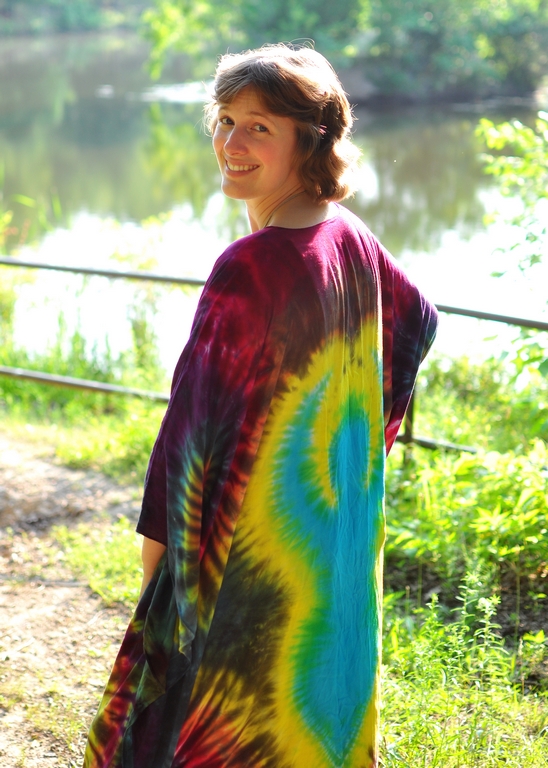
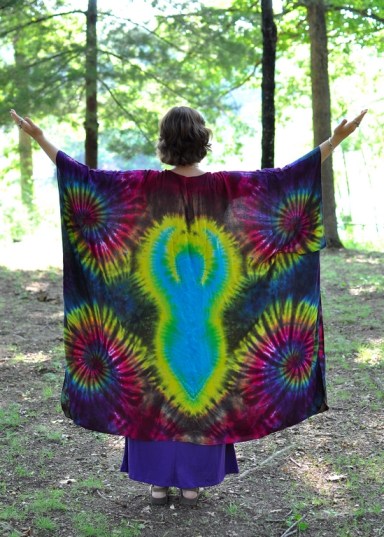
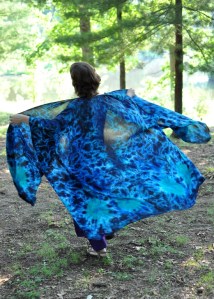
I have a dear friend who is is wonderfully creatively gifted and she made me a new goddess priestess robe recently! You’ve already seen it featured in recent posts. I love it! She recently opened a new online shop called Goddess Garb and another friend (who is also creatively gifted) did a photo shoot to model the robes and sarongs last week (along with another friend who is graceful and lovely and who looked wonderful in the robes—you can see her in the gallery here :)). I got some of the pictures and thought they went well with this priestess prayer priestess-aversary post. My goddess-garb making friend is really important to me and was actually very instrumental in helping me feel I could “own” the priestess role and that I could step into it fully—she believed in me and saw me and what I was trying to do for our community of women and offered me reinforcement and encouragement when I needed it that what I’m doing for women matters and is worthwhile. So, when I wear her artwork, I feel that affirmation and encouragement. I also feel magical!

Happy Priestess-aversary to me!

Goddessgarb 231


Categories: community, friends, poems, prayers, priestess, spirituality, women's circle | 5 Comments

Womanrunes: The Two Circles

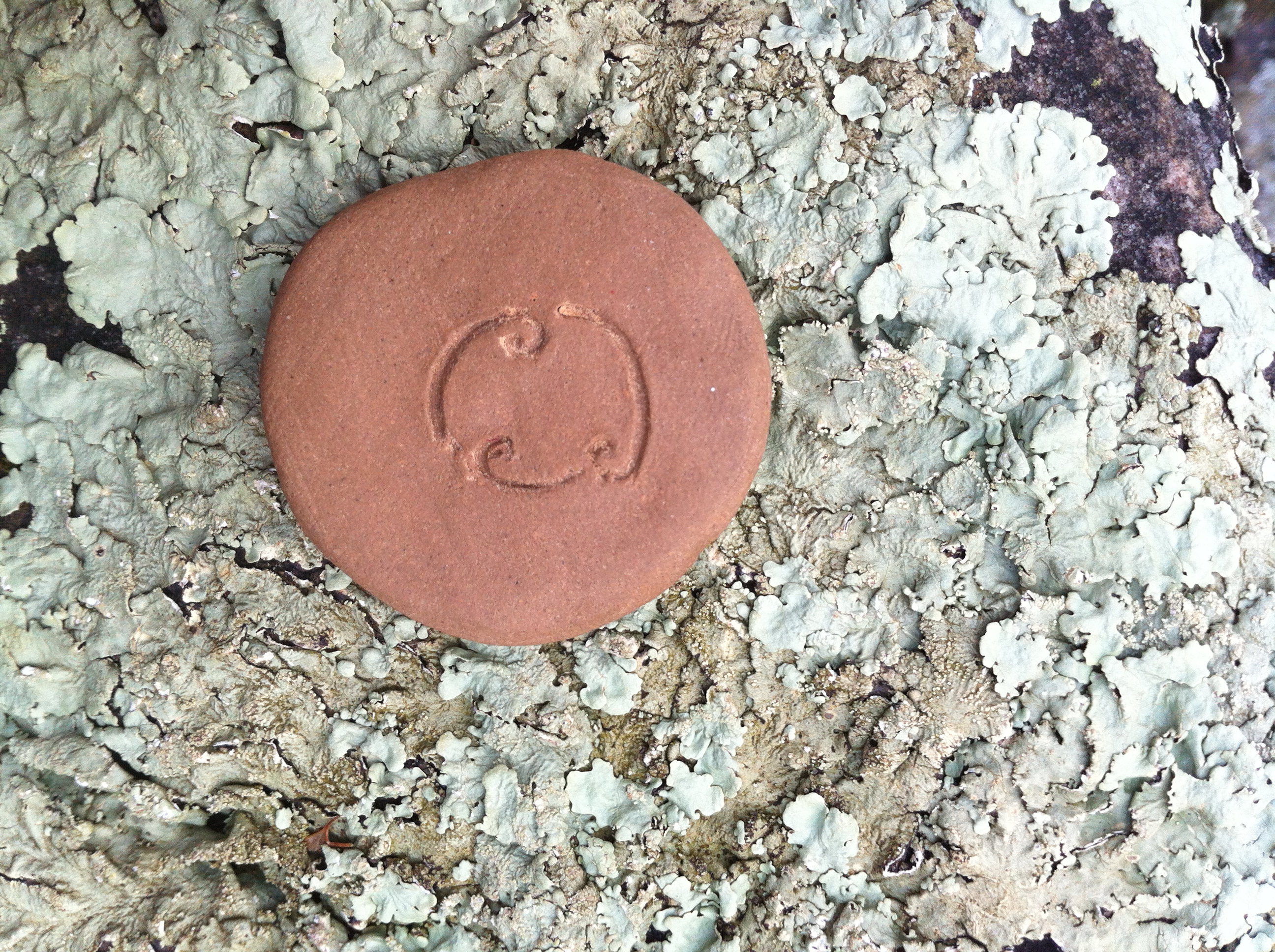
Womanrunes: The Two Circles. Rune of Merging. Joining or Dividing. June 2013 041

We come together with others in a dance of being so intricate as to be unfathomable. We enter their spheres, they enter ours. Linked, connected, drawing apart. Remaining cells linked forever in the overall body of humanity. Meiosis and mitosis. Separation and connection—always balancing these twin forces. Recognizing when sinking in to another is a thing of holy beauty and recognizing when pulling away is the same. Holding hands, linking arms, forming interlocking circles of strength. A chain stretching across time and space, carried lightly on wings of eternity, and nestled, curled and connected in the womb of an ancient mother.

Interdependence cannot be denied. It is essential to survival and strength.

The same day I drew this stone, I also drew a card from my Goddess Oracle deck. I drew Diana (my daughter’s middle namesake) and I loved her message:

It is time to hunt for what brings you strength.

I definitely feel myself in a place of change and transition. Our family’s roles and structure are evolving and shifting with my husband quitting his job. The urge towards the shift of focus that began for me in 2009 is reaching greater clarity and urgency and I feel ready to make some more dramatic changes…

June 2013 043

June 2013 044

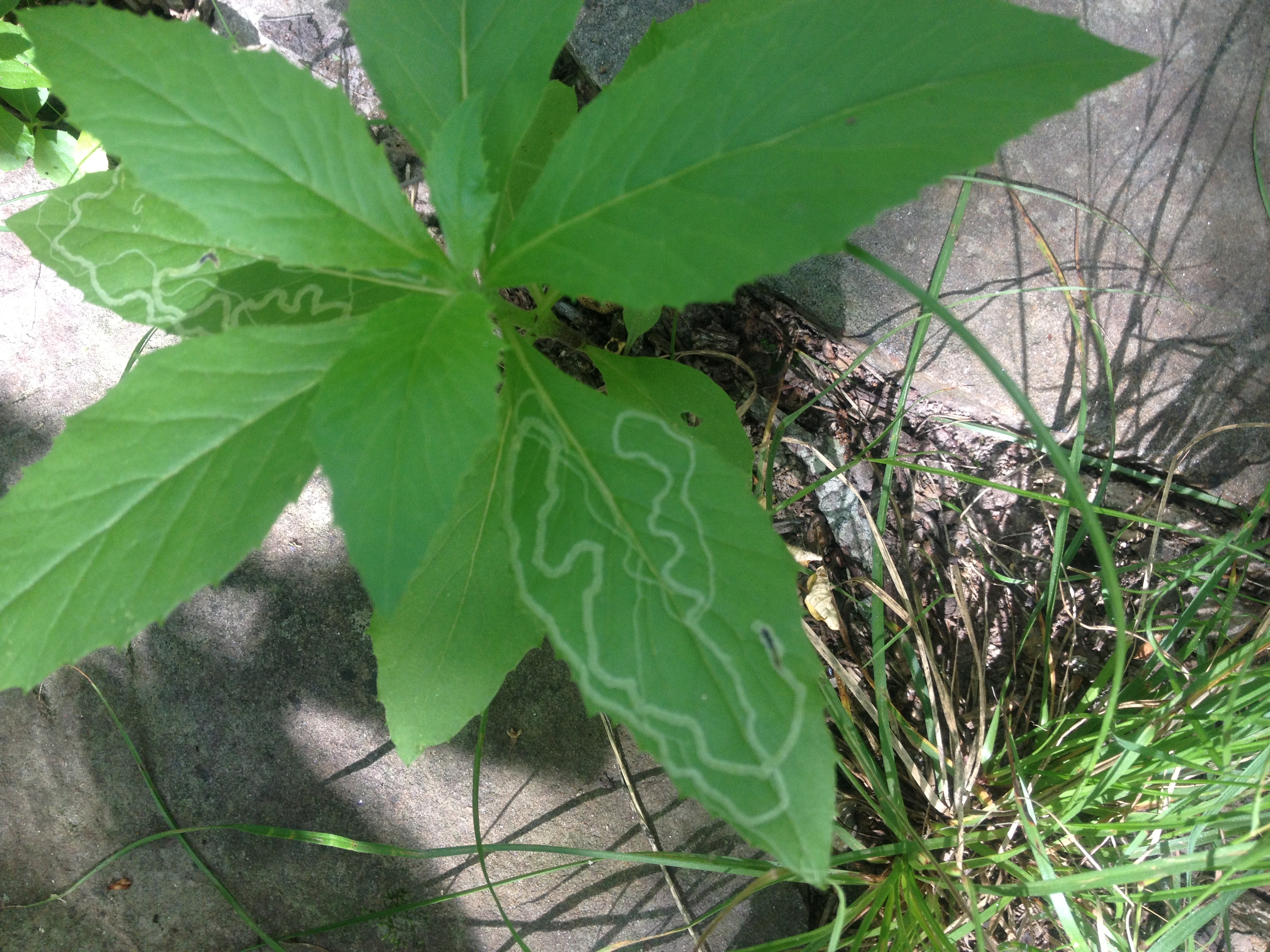
Pattern left by a bug-artist on the leaves today.

Update: this project evolved into a real book!

The first post in my Womanrunes series is available here. The runes and the names of them come from Shekhinah Mountainwater’s Womanrunes system for which there are no written interpretations available other than the name and one word meanings. I’m engaging in a semi-daily practice of drawing one and then going down to the woods with it to see what it “tells” me–basically, creating what I wish I had, which is a more developed interpretation of the meaning of each womanrunestone.


Categories: resources, Womanrunes | 1 Comment

Woodspriestess: Outraged Ancestral Mother Prayer

Outraged Ancestral Mother Goddessgarb 002
fill my veins
with your singing

Sweep me up.
Stir my passion
until I might be worthy
of your chorus
of enraged beauty.

Embed your
call for action
in my feet
that I may never again
walk in thoughtlessness
or inattention
each step
becoming
a beat of your drum.

I will howl with you
in the hurricane’s roar
and the tornado’s fury

I will crack my lightning
and split my life open
gaze at the red pomegranate seeds within
and I will eat
Knowing that some part of me
will belong in the underworld
forever.

Lash the remainder of my heart
to hope
bind my heartstrings
around destiny
and open my throat
that I might bellow
on the winds
of change
and inspiration…

Categories: Goddess, invocations, nature, poems, prayers, spirituality, theapoetics, womanspirit, woodspriestess | 9 Comments

Woodspriestess: The Outraged Ancestral Mother

The Outraged Ancestral Mother Goddessgarb 100
has awoken
she howls through canyons
claws away insecurities and doubts
and stomps illusions into dust.

She rattles hailstones
on rooftops
and whips the seas into
a froth of fury.

She dances the wind
into hurricanes
and she kindles
a wildfire
saying
watch out
it burns
pay attention.

She uproots trees June 2013 001
with her storming
thunders leaves, branches, and houses
down around your ears
crying wake up.

She screeches
on the winds
her voice becoming
a tornado
Swirling madcap
down the corridor
of time.

She lifts a chalice
of armadillo skin and whale bone
and she cries out
for change.

In the howl of outrage
and sweep of fury
in the crackle
of iced lightning
in the waves
which crest June 2013 021
against the shore
and drag
you out to sea.

In the ferocious beauty
of her howling dance
we glimpse the sun-heart
of love
sharp-edged
ragged
hot
slicing through
the veils
that shroud our thinking

We step through
and join her dance
raising our voices
in the chorus
of her song.

Draping a necklace of skulls
around our throats
and drumming
a wake up call
to our sisters and brothers.

Arise!
The Outraged Ancestral Mother
calls your name
Your blood is on her teeth
she tastes your fears
and your courage…

Yesterday, we did a double-session of our Rise Up and Call Her Name class. In the second of the day’s sessions:  “We honor the Outraged Ancestral Mother and the belief that the sacred and secular are one” (The Female Divine in All Her Glorious Shapes, Colors and Sounds). I was caught by the idea of the Outraged Ancestral Mother and we spent some time discussing her and the degree to which humanity has hurt our planet. This morning while I was practicing yoga, snippets of this new poem came floating to my mind. I had the distinct feeling that the Outraged Ancestral Mother was ready to speak to me. So, I went down to the woods to listen to what she had to say.  It was different from the kinds of things I usually write and think about and the tone was more aggressive and harsh—I surprised myself!

A note regarding the armadillo skin chalice: Ever since giving birth to my first child almost ten years ago, I have a strong reaction to roadkill, primarily centered around the maternal experience—that was someone’s BABY! She worked so hard for that life. Recently, while driving to town I saw an armadillo being picked over by crows on the road, its body becoming a hollowed out shell or rind almost. I’ve been in a pretty bad mood lately and in addition to my usual thoughts about poor babies, I also began to have depressing existential musings about what is the whole point anyway. We can all just be roadkill, nothing cares about us. Our bloody guts could be splattered across the road tomorrow and the Earth wouldn’t miss us. We are not loved by the Goddess/Universe or by anything else—we’re just roadkill. And, then, I had a vision—a dark robed Crone Goddess figure holding the armadillo shell aloft, fully cleaned out and empty and raising it to her lips as if to drink. At this point I realized, nothing is wasted. Everything is recycled. Everything is used. Every part matters, always.

June 2013 005

My new phone has a panoramic option!

Categories: death, endarkenment, feminist thealogy, Goddess, nature, poems, spirituality, theapoetics, woodspriestess | 6 Comments

Woodspriestess: Bloodtime

Bloodtime 2013-06-22 08.59.09
moontime
dreamtime
womb time
rest time.

Pause
stop
celebrate
consecrate
honor
breathe
feel…

touch
with potential and promise
sing with the planet
dance with desire
hold your wishes close to your heart
incubate them lovingly

gather up your resources 2013-06-26 16.03.46
gather in yourself
cocooning
safe, held and loved

building power
holding power
collecting body wisdom
listening deeply

draw it to you
hold it close

emerge with strength
clarity
purpose
energy
and renewal.

This is a time of powerful medicine if you remember to listen. 2013-06-25 13.34.33

Soft belly
no longer bearing children
I am pregnant with myself
ripe with potential,
possibility, power
I incubate my dreams
and give birth to my vision.

It is so hot and humid lately that I’m finding it challenging to fully enjoy my time in the woods. I feel slow, dull, draggy, like my brain is foggy and hot. I’m tired. Today I sat on the rocks listening to bugs and birds, watching ants and a little winged creature sit on my foot. I closed my eyes. I took some deep, thick-aired, humid breaths and I thought:

I cradle my own body here on sacred ground.
Celebrating all that she has brought forward into this world.
Pausing to honor the patient creativity of my womb,
the pulse of my blood,
and the rhythms of my life.

Thank you
holy one
thank you
sacred space within
thank you
hopeful spirit
thank you
embracing Goddess
of my heart and planet…

2013-06-25 11.50.06

Categories: blessings, embodiment, moontime, nature, poems, spirituality, theapoetics, woodspriestess | 4 Comments

Calling the Circle: The Wobble

This post is the third in a series, prompted by the book Calling the Circle by Christina Baldwin: 2013-06-24 20.47.27

There is a ‘wobble’ that always occurs in human relationships. With this wobble our sense of direction and our purpose are lose, the communion of coming together is broken, many we face the differences each of us has carried into the group. One real gift of circle is its tenacious ability to hold us in a container of combined social and spiritual contract while we work through the wobbles to genuine community…PeerSpirit circling can help us manage these wobbles differently. But in order to learn how to take our place at the rim of the circle, we need first to understand how to honor center…

I very, very much like this notion of a “wobble” in human relationships. We’ve all experienced it. I think that life would change a good deal if I remembered to recognize wobbly experiences for just what they are: oh yeah, this. A wobble. I recognize that. I know that this happens. Too often group endeavors fail because we mistake normal wobbles for permanent problems.

Later in the book, Baldwin returns to the notion of the wobble:

“The intention…is to serve as connective tissue…The purpose of the group is what remains, and yet, when wobbles occur, which they will, the members of the circle have agreements to call upon, and a container to hold them, so that they can come back to purpose and continue on.”

And, she quotes this awesome little reading from Starhawk that I then used during our spring women’s ritual:

Community.

Somewhere, there are people
To whom we can speak with passion
Without having the words catch in our throats.
Somewhere a circle of hands will open to receive us,
Eyes will light up as we enter, voices will celebrate with us
Whenever we come into our own power.
Community means strength that joins our strength
To do what needs to be done.
Arms to hold us when we falter.
A circle of healing. A circle of friends.
Someplace where
We can be free.

–Starhawk, Dreaming the Dark quoted in Calling the Circle.

On a somewhat related topic, I also saved a quote to share about why a healthy and beneficial women’s spirituality circle is not the same as our other encounters with women, in which we may be used to primarily bond through chatting and sharing various woes:

To hold the group and space as sacred is one of the most important guidelines, and the guideline that may bring up the most questions or protests. It goes against our habits as women and against our identification with the small self; we are quite used to creating intimacy through sharing our wounds and problems. The Temple Group is not a place for processing wounds, analyzing ourselves, solving problems, complaining about our lovers, healing our addictions or sharing the stories of the personality. Many women’s circles (and support groups or sharing circles) are focused mostly on the personality. The Temple Group is, in a way, impersonal because it focuses on the larger vast nature of our true self. In the Temple Group we focus not so much on our identity as separate women, but on the whole group as one feminine divine body and expression. The impersonal guideline may sound uncaring at first, but as you explore new ways of being intimate and nourish each other as women, beyond the words, you discover that those are infinitely more fulfilling and caring than the personality talking and processing.

2013-06-25 11.41.49

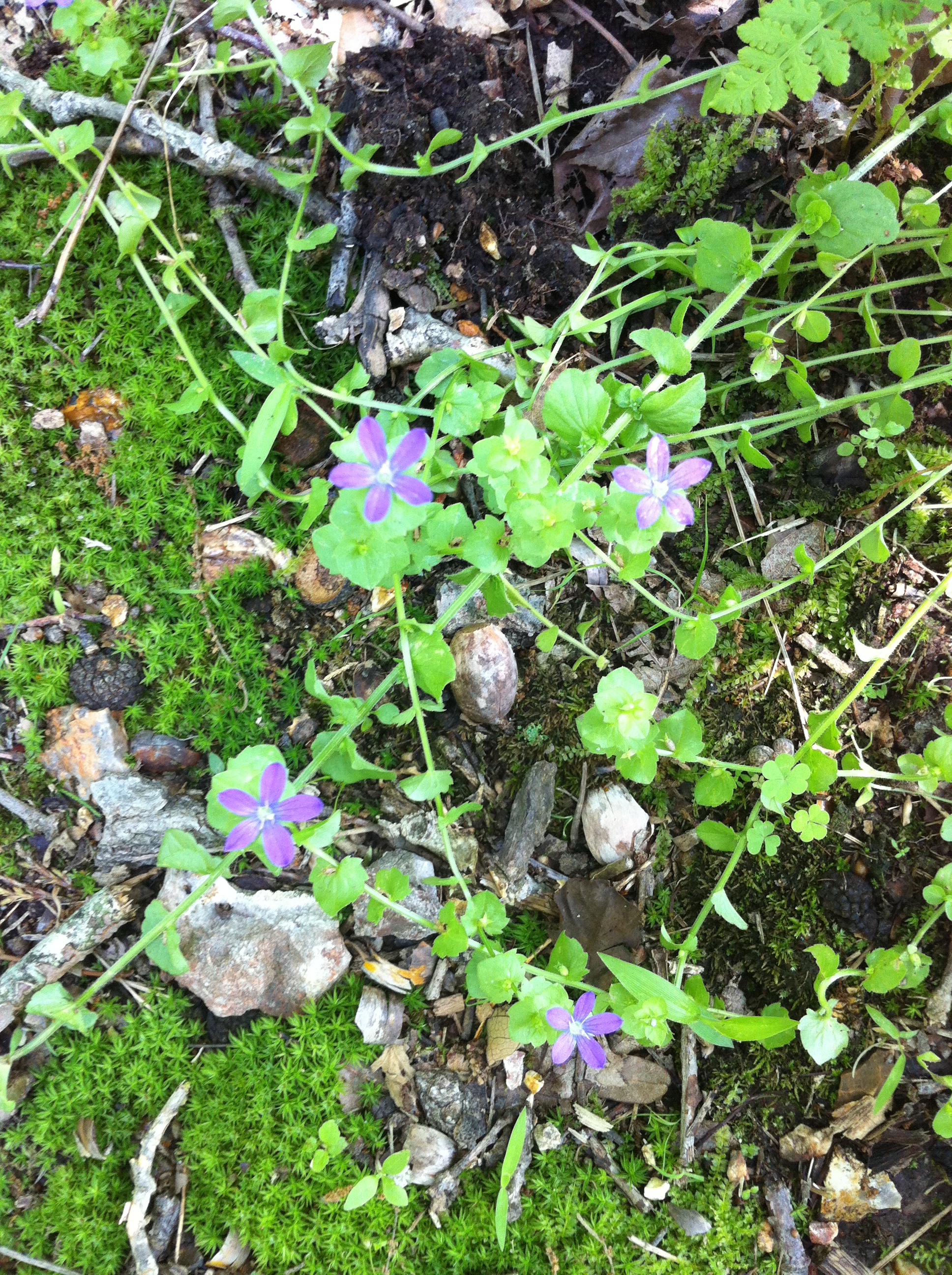
Surprise forget-me-nots (?) that suddenly showed up outside our greenhouse this week! 🙂

–From Create Your Own Women’s Temple (p. 61) from Awakening Women

When we first began meeting regularly for women’s retreats and rituals, I noticed that we did fall into a pattern of being focused on the “personality,” often having moments during which women cried and shared various hurts and disappointments or “vented.” As our group has deepened and evolved, I feel as if we’ve moved beyond this type of “story-telling-as-sharing” and into a shared, community experience of the now and what is happening in the sacred space we’ve created together in that moment. We’re not perfect and we keep learning and growing, but the circle experience is pretty powerful.

Other posts in series:
Calling the Circle: Circles
Calling the Circle: Context

Categories: community, priestess, resources, ritual, spirituality, women, women's circle | Tags: | 2 Comments

Woodspriestess: Ball Ring

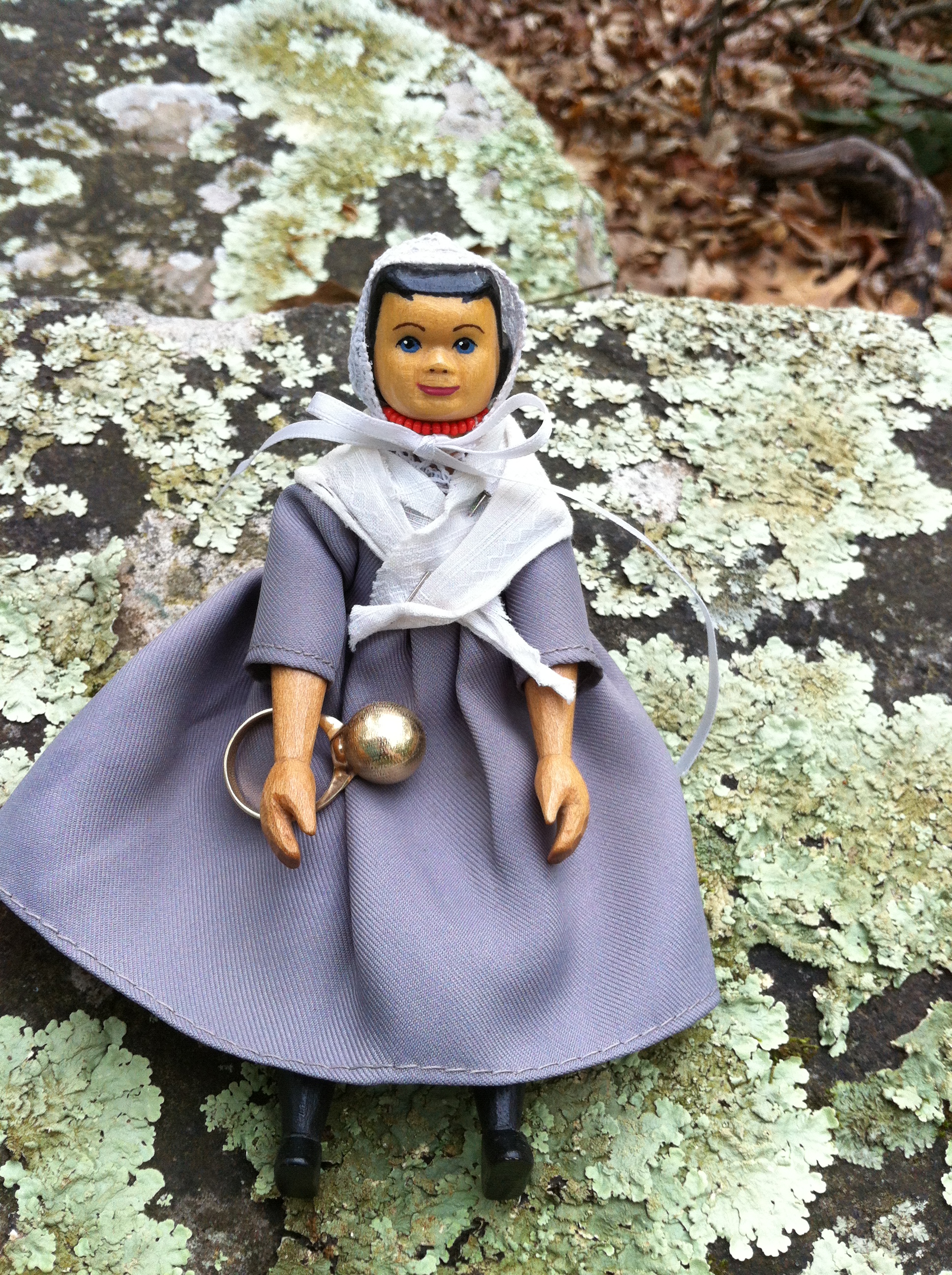
Ball ring June 2013 007
on her hand
and now on mine
hands that will one day
still
cease
pause.

Hands that once held me
hands that I watched
knit, quilt, sew, drive, carry
hold, hug…

Hands are gone
the ring is still here
and really
in their way
the hands are still here too.

The egg that became me June 2013 008
was carried in her body
the circle of life keeps turning
the wheel keeps spinning
and here we are
this is real now.

Ball ring
has been a lot of places
told a lot of stories
seen a lot of things
and it is still here
a reminder
of what has gone before.

Thank you.

(6/6/13)

My grandma has been on my mind all day today. It has been two months now since she died. Since we always lived far away from each other and thus often went six months without seeing her, it is easy to forget that she’s gone and not at her home in California volunteering at the zoo and working in her sewing room. I dreamed about her last night—nothing significant or easy to remember, it was more like she was at the edges of the dream, smiling from distance. I was aware of her watching us and smiling, but we didn’t talk or interact.

One of my earliest memories of her is of sitting on her lap and playing with a gold ball ring on her finger. I don’t know the story behind that ring, I feel as if I should, but from the time I was a tiny girl she always wore it when she visited her grandchildren and we all liked to play with it. I imagine it was a coincidence that she wore it around a grandchild in the first place, but then it became a thing that she did and that all of us associated with her. When my aunt and mom were going June 2013 005through her jewelry they asked if there was something I wanted and I asked for the ring. Later, my two sisters both mentioned it as well and I feel guilty or selfish for being the one to get it. At this point, I can’t wear it. It makes me feel awful to see it on my own hand. Its hers. It belongs on her hand. The whole reason I wanted it was because it was something that reminds me very concretely of her, but that is the exact same reason that I can’t wear it right now. I hope my own grandchildren will play with it though when I wear it to meet them. It fits on the same finger on my hand that it fit on hers. I sat it on a Hitty’s lap for a while and then ended up putting it into a little shadow box with her on the replica of Hitty’s bench that my dad made for my grandma.

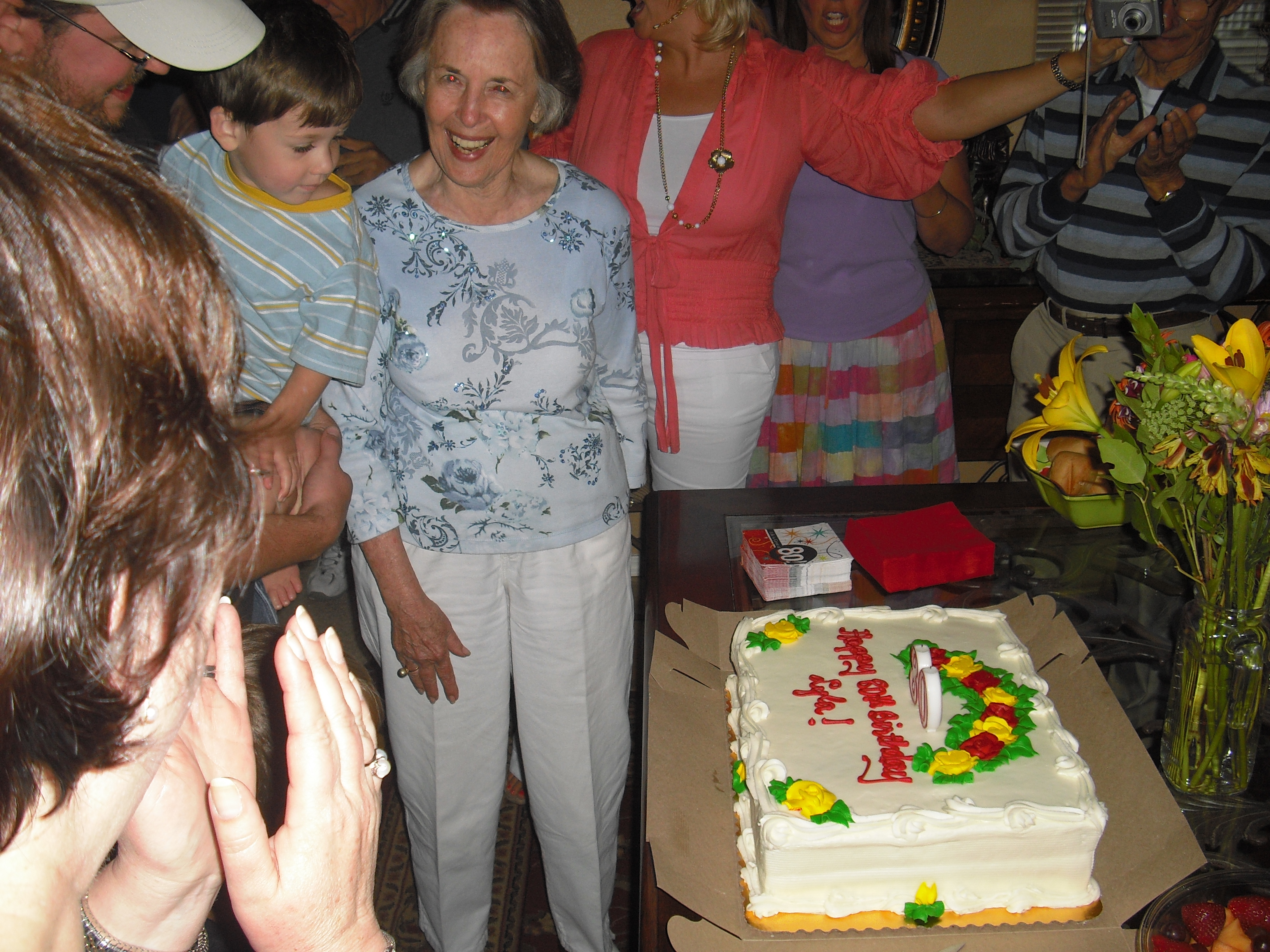
After I recorded the above “poem,” I became obsessed with finding a picture of her wearing the ring, because suddenly I worried that I’d imagined or exaggerated that she always wore it to see us. Indeed, I don’t know if she ever wore at other times, but around the grandchildren, it was a fixture. And, I did readily locate pictures from her eightieth birthday party in which you can see the ring on her hand where it belongs.

Bill's Beach Pix 036

Bill's Beach Pix 038

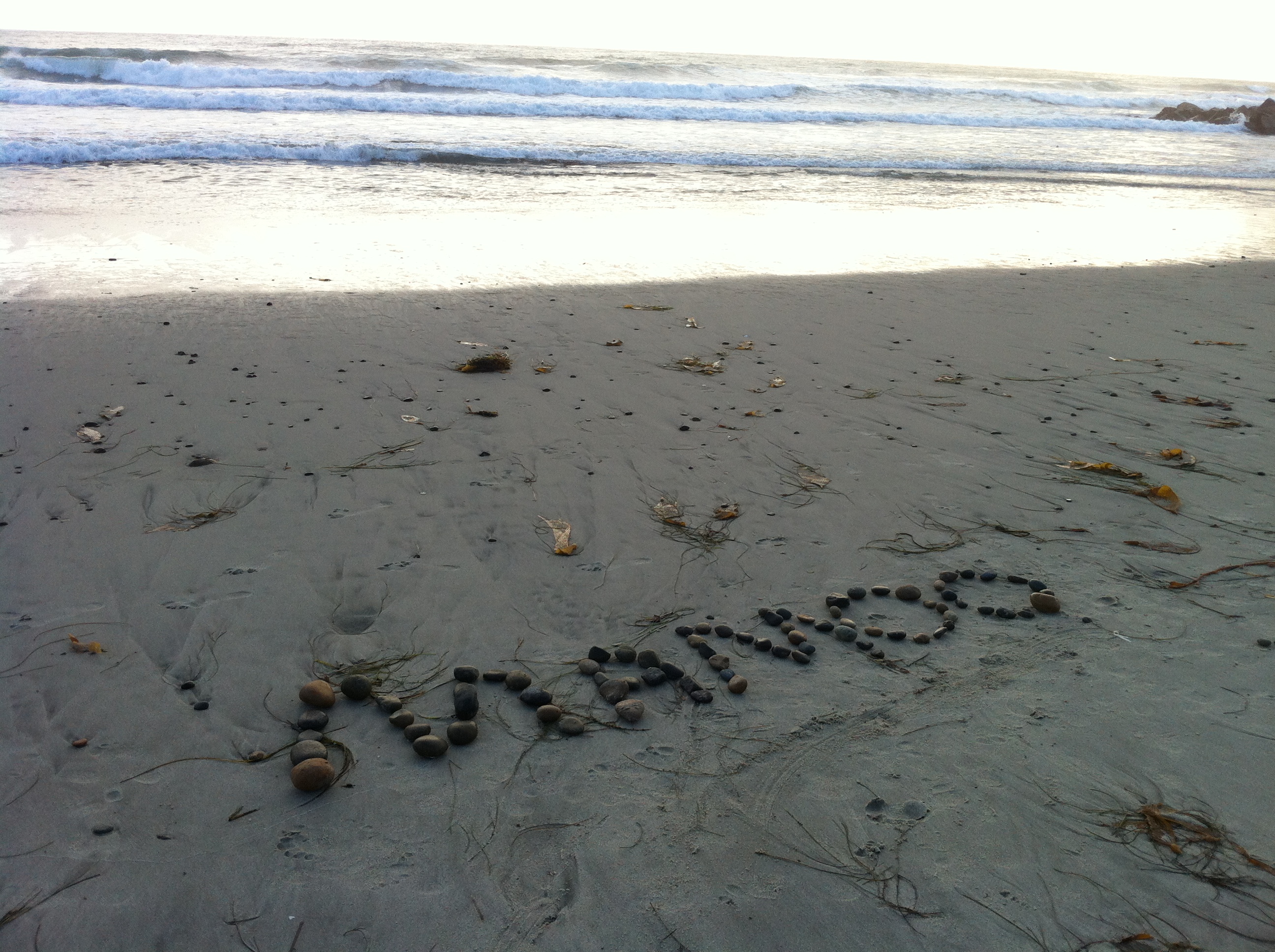
When we were at Carlsbad beach in California two days before my grandma’s memorial services, I used beach stones to make names in the sand for several people.


IMG_7733

Mamoo was our grandma name for her.

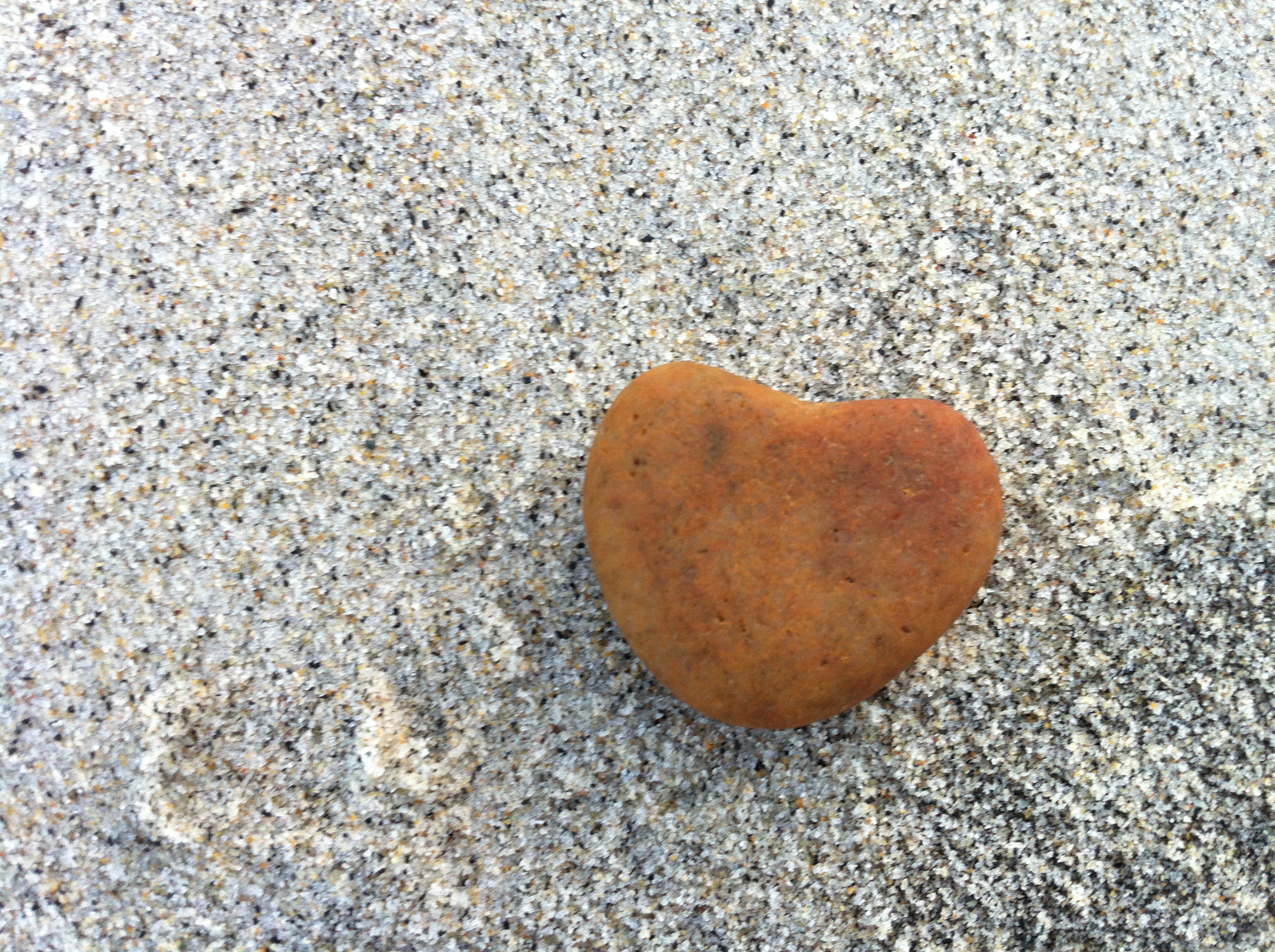
After I made her name and took pictures of it, I was thinking about the whole issues of “signs” that people receive from loved ones who die. I’d had some conversations with my mom about it and how we don’t really get any of said signs. I was thinking that perhaps it means the person has no “unfinished business,” or perhaps that the end is the end and there simply are no signs to be had and it is silly to expect any. Right after having these thoughts, I looked down at the M in her name and there was this stone: IMG_7748There was a sign for me after all and I gratefully received it. I held this stone through the two “Mamoorial” services that followed—the committal service I planned and officiated at the chapel where her ashes were placed with my grandfather and then the Celebration of Life luncheon at which I gave a grandchild speech. I felt like I needed to be holding and rubbing this stone in order to carry out those speeches. I later found a companion heart-shaped stone on Moonstone Beach that I saved for my mom.

Categories: death, family, poems, theapoetics, woodspriestess | Leave a comment

Saturday Sabbath: Summer Solstice Redux

Summer solstice 2013-06-22 08.55.58

Look at what’s blooming
see what you’ve said yes to
and look carefully for that
which can now be pruned away.

The bounty is before us
we see it clearly
knowing that what we have sown
has borne fruit.

Noting that which is
beautiful and good
and that which has
withered in the heat.

Life is open before us
spreading its petals
dripping with juice

Sweet, simple
infinitely complex
and magnificent.

(6/21/13)

Last night, after picking five more pounds of wild black raspberries, I went down to the woods at dusk and found I did have a couple of more summer solstice words in me. I also worked on my content for my first post as a blogger for SageWoman magazine. I’ve been feeling really stalled out on it—like I’m afraid I can’t write something “good enough” and so I asked the woods for help. Luckily, they answered!

I’m excited to be featured in this month’s Full Moon Share from Paola at Goddess Spiral Health Coaching and I just barely finished some new goddess sculptures to add to my etsy shop in time for the Full Moon Share tomorrow!

In keeping with this time of seasonal change, I made my first ever set of goddesses depicting the four seasons!

20130622-185002.jpgI like them all, but my favorite is the Summer Goddess.

20130622-184949.jpgI made just a few more as well, including a butterfly goddess as a special request for someone who is grieving.

20130622-185018.jpgAnd, today my husband briefly took our toddler out in a kayak for the first time while we were at our friend’s house for a work party!

20130622-185030.jpgSpeaking of our work party, while there, we worked what felt like way too hard on scheduling several ceremonies and celebrations for the coming months—two blessingways, a summer retreat, a fall retreat + coming of age ritual, and of course, our ongoing series of Rise Up and Call Her Name classes. I struggled to fit it all in, but realized that this is what I want to do. I came back to the words I wrote last night and thought, this is what I’ve said yes to and it is bearing fruit. And, I like it. 🙂

Categories: art, friends, Goddess, nature, poems, spirituality, theapoetics, woodspriestess | 7 Comments

Woodspriestess: Summer Solstice

Hot nature. June 2013 037
Humid thickness
of life
breath
and passion.

Sticky spirit
melting senses
sleepy mind
moving through
watery air.

Mosquitoes whine
ticks lurk
Summer is here.

She’s heavy
weighty
watery June 2013 007
thick
green.

Summer has come to the woods
Summer has bitten my thigh
Summer whines in my ear
Summer waits
for my ideas to bear fruit
rich, juicy, sweet.

(6/11/13)

The Summer Solstice issue of The Oracle is out and contains a slightly revised version of my Womanenergy post:

Womenergy moved humanity across continents, birthed civilization, invented agriculture, conceived of art and writing, pottery, sculpture, and drumming, painted cave walls, raised sacred stones and built Goddess temples. It rises anew during ritual, sacred song, and drumming together. It says She Is Here. I Am Here. You Are Here and We Can Do This. It speaks through women’s hands, bodies, and heartsongs. Felt in hope, in tears, in blood, and in triumph. June 2013 013

Womenergy is the chain of the generations, the “red thread” that binds us womb to womb across time and space to the women who have come before and those who will come after. Spinning stories, memories, and bodies, it is that force which unfolds the body of humanity from single cells, to spiraled souls, and pushes them forth into the waiting world.

via Womenergy by Molly | Global Goddess.

And, I was touched by this post and its Call:

Along the way, you will meet up with sisters who have answered their own calls. After years of trudging alone to the single note of our own call, we begin to sense first, then to see their dirt-smudged, tear-streaked faces. Their scars look comfortingly similar to our own. We are a ragtag tribe of outcasts, moon howling, spiritual homesteaders. The notes of our own call begin to merge and blend, and we become a symphony of stragglers, circling in sacred ritual- we are never truly alone. Our wounds are treasure maps tracing our stories back to the moment we said no, enough, no more, now, this time, my time. They bind us, these wounds, these calls, one to another on this dark wooded path.

To answer The Call is to choose a life outside what anyone else deems worthy, understandable, logical. We are heralded by some as over-emotional, ridiculous, dramatic, eccentric, strange, weird, unnatural. Others like us will recognize themselves in our journey, our June 2013 038words, our artwork, our altars, our homegrown vegetables and homespun clothes. They will feel they are home when they smell lavender at our neck and see sage on our tables.

Our legacy is red, and burns with a passion we cannot contain so that it seeps out and stains our daughters and sons, marking them for a new way of life that emerges- because we were brave enough to answer a Call.

via Her Strange Angels: Call to the Wild Wood ~ A Blessing for the Solstice.

And, I was super psyched to get two new books free on Kindle this weekend:

From Lisa Micheals:


And from Rachael of the Moontimes blog!

I also appreciated this timely reminder from Chrysalis Woman:

It’s now that we Celebrate the womanifestation of the seed dream/s we conceived at Winter Solstice. Much like the Mother Mysteries associated with this time, we are giving our full attention, time and creativity to nurturing, sustaining and protecting our dreams, while reveling in the abundance of all that we are the creatrix of.
With all of this heightened activity and energy, we may find ourselves bumping up against the shadow of the Mother Archetype. With the full activation of our Fire energy that Summer Solstice generates, we can experience “burn out” by over-giving, over-nurturing, over-protecting, and/or over-doing. So remember to “Mother yourself” as you are caring for your creations. Seek out and create support systems that sustain YOU, as you work to sustain your hopes, dreams and all that you love.

via Shine Your Light! – Chrysalis Woman – Returning to the Mother and Each Other.

I feel like I’m in one of these stages right now and working it through.

I’m still working on our own simple family ritual for summer solstice. It will involve many drums! 🙂

P.S. I have a good friend named Summer and I had to smile as I transcribed my “Summer” poem, because I imagined her biting my thigh and whining in my ear! (Really, it was a mosquito!) ;-D

Categories: holidays, nature, poems, resources, spirituality, theapoetics, womanspirit, woodspriestess, writing | 3 Comments

Womanrunes: The Great Wheel

Womanrunes: The Great Wheel. Rune of Infinity. Completion. Wholeness. Universality. May 2013 052

Circularity. Wholeness. That which you seek can be found within you. And, also by reaching out to those around you. Spaces, people, opportunities, deeds. It is right there, you need only look at it. Round, curving destiny. Rough carved shape of being. Patterns hewn in places and people, speaking the language of community. You have what you need. You are what you seek. Your place is here, in the infinite spiral of life.

Originally recorded on May 4, 2013.

Update: this project evolved into a real book!

The first post in my Womanrunes series is available here. The runes and the names of them come from Shekhinah Mountainwater’s Womanrunes system for which there are no written interpretations available other than the name and one word meanings. I’m engaging in a semi-daily practice of drawing one and then going down to the woods with it to see what it “tells” me–basically, creating what I wish I had, which is a more developed interpretation of the meaning of each womanrunestone.

Categories: spirituality, Womanrunes | Leave a comment

Woodspriestess: Raspberry Warrior

Goddess of green spaces
and deep places
cleanse my soul.

Anoint my spirit
with peace
and remind me
to let go.

Remind me
of the power
of appreciating
that which I have.

May I inhale
and exhale
with release
and freedom.

The spirit of adventure
runs through my veins
with the rich color
of crushed raspberry

May it always run so free
may it be blessed
and may I be reminded
of the courage and love
shown in small, wild adventures.

Wild black raspberries are ripe at my Missouri homestead and this morning I went on an expedition with my three children to gather what we could. As I returned, red-faced, sweating, and after having yelled much more than I should and having said several things I instantly regretted, I was reminded of something that I manage to forget every year: one definition of insanity is picking wild berries with a toddler. In fact, the closest I ever came to spanking one of my kids was during one of these idyllic romps through the brambles when my second son was three. While still involving some suffering, today’s ramble was easier since I have a nine-and-a-half-year old now as well as the toddler. This time, my oldest son took my toddler daughter back inside and gave her a bath and put her in new clothes while I was still outside crawling under the deck in an effort to retrieve the shoes and the tiny ceramic bluebird I’ve had since I was ten that my girl tossed over the railing and into the thorns “for mama.”

While under the deck, I successfully fished out the shoes (could not find the tiny bird) and I found one more small handful of raspberries. Since the kids were all safely indoors, I took my sweaty and scratched up and irritable self and ran down to my sacred woodspace.  I was thinking about how I was hot, tired, sweaty, sore, scratched, bloody, worn, and stained from what “should” have been a simple, fun little outing with my children and the above prayer came to my lips. I felt inspired by the idea that parenting involves uncountable numbers of small, wild adventures. I was no longer “just” a mom trying to find raspberries with her kids, I was a raspberry warrior. I braved brambles, swallowed irritations, battled bugs, sweated, swore, argued, struggled, crawled into scary spaces and over rough terrain, lost possessions and let go of the need to find them, and served as a rescuer of others. I gave my blood and body over to the task.

When I returned and showered, my oldest begged for me to make homemade raspberry sorbet with our findings. I’ve never made sorbet before and wasn’t sure I should dare try, but then I gathered my resources and said yes to yet another small adventure…

Today, I also noticed many lovely blooming things!

June 2013 041 June 2013 049


Yes, like Inanna, I faced thorny gates and descended into darkness, crawled on my knees, and gave up things that I cherished, and in the process discovering things about myself, and then returned with a renewed sense of purpose and an awareness of my own strengths…but, I got sorbet out of the deal!

This post is a crosspost, in part, from my post at Pagan Families (which includes pictures of the finished sorbet and a recipe!).

Categories: family, nature, parenting, poems, prayers, spirituality, theapoetics, woodspriestess | 2 Comments

Create a free website or blog at WordPress.com.